
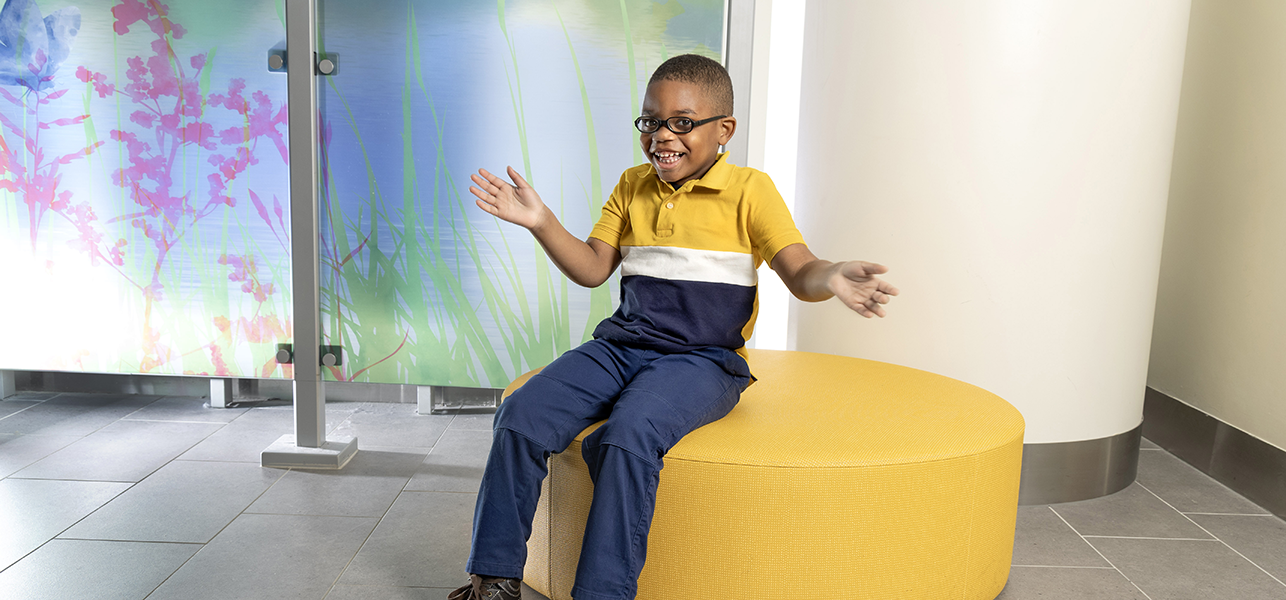
Khaza Lewis is all smiles and for very good reason--the 6-year-old just celebrated 1 year of being seizure-free. He was diagnosed with a severe form of epilepsy as a baby, but his family says CHoR and “Team Khaza” are making sure their little boy lives his best life.
Fun-loving, adventurous and just a tiny bit stubborn. Those are the words David Lewis and Pam Adams-Lewis used to describe their son Khaza, who loves robots, number blocks, pizza and going to church. He also lives with epilepsy.
The form of epilepsy Khaza has is considered rare and intractable, which is hard to treat because it’s resistant to many seizure medications. It also often comes with developmental delays, sleep issues and other health challenges.
Coordination of care for Khaza at CHoR
Adams-Lewis, a VCU Health employee, said coming here to address her son’s complex medical needs was the obvious choice.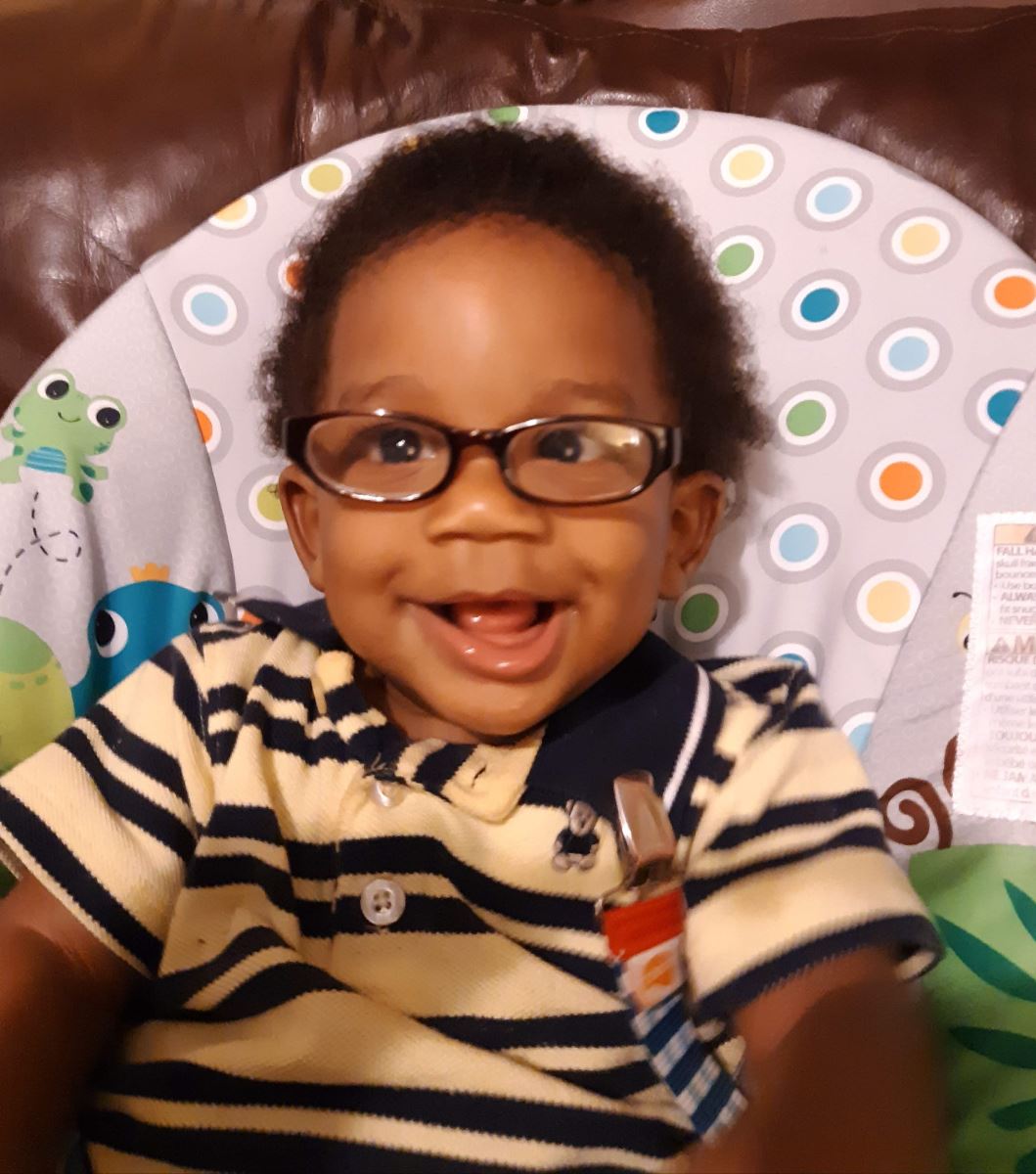
“We knew firsthand that CHoR would have the best pediatric neurologists and neurosurgeons in town,” explained Adams-Lewis, also known as Dr. PAL. She knows a lot on this subject because she manages the institutional accreditation for graduate medical education at VCU Health.
“CHoR’s clinicians were wholeheartedly willing to join ‘Team Khaza,’” Mr. Lewis recalled. “We have been able to not only save his life but also provide him with one almost parallel to his peers.”
The Lewis family compares “Team Khaza” to an army and says the sergeant and lead strategist of that army is neurology nurse practitioner Debra Hearington. She started treating Khaza when he was just 5 months old.
“Despite his medical challenges, he continues to live life to the fullest,” described Hearington. “He is a delightful patient who loves his family, his school, his daycare and even enjoys coming to CHoR for his appointments. Not only that, he’s spunky, inquisitive and gives great hugs!”
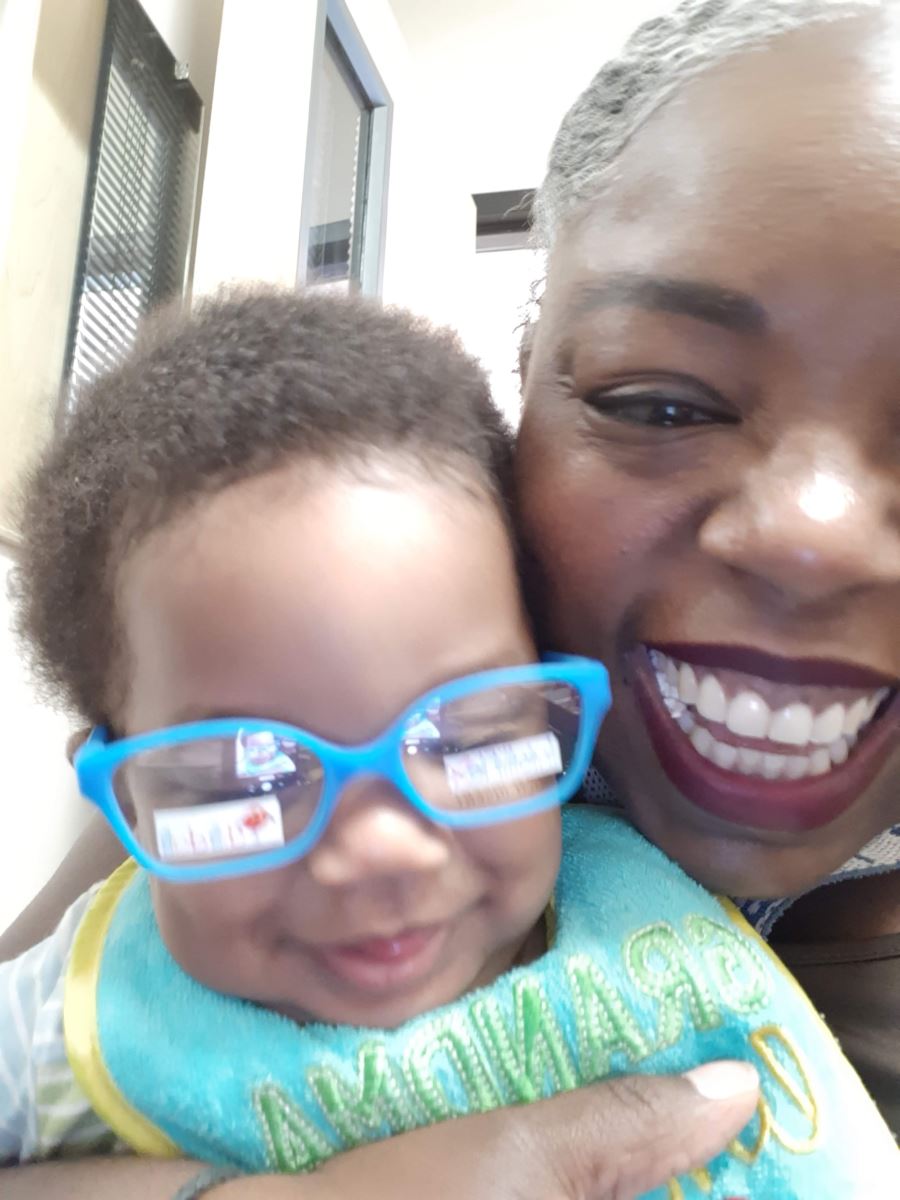
Khaza now sees 20/20 in both eyes with glasses.
The road to becoming seizure-free
Because Khaza’s seizures progressed from those associated with illness and fever to becoming more severe and prolonged, the neurology team adjusted his medication and recommended a surgical procedure to place a VNS, or vagal nerve stimulator. The VNS sends regular, but mild electrical impulses to the vagus nerve to reduce seizure frequency and severity.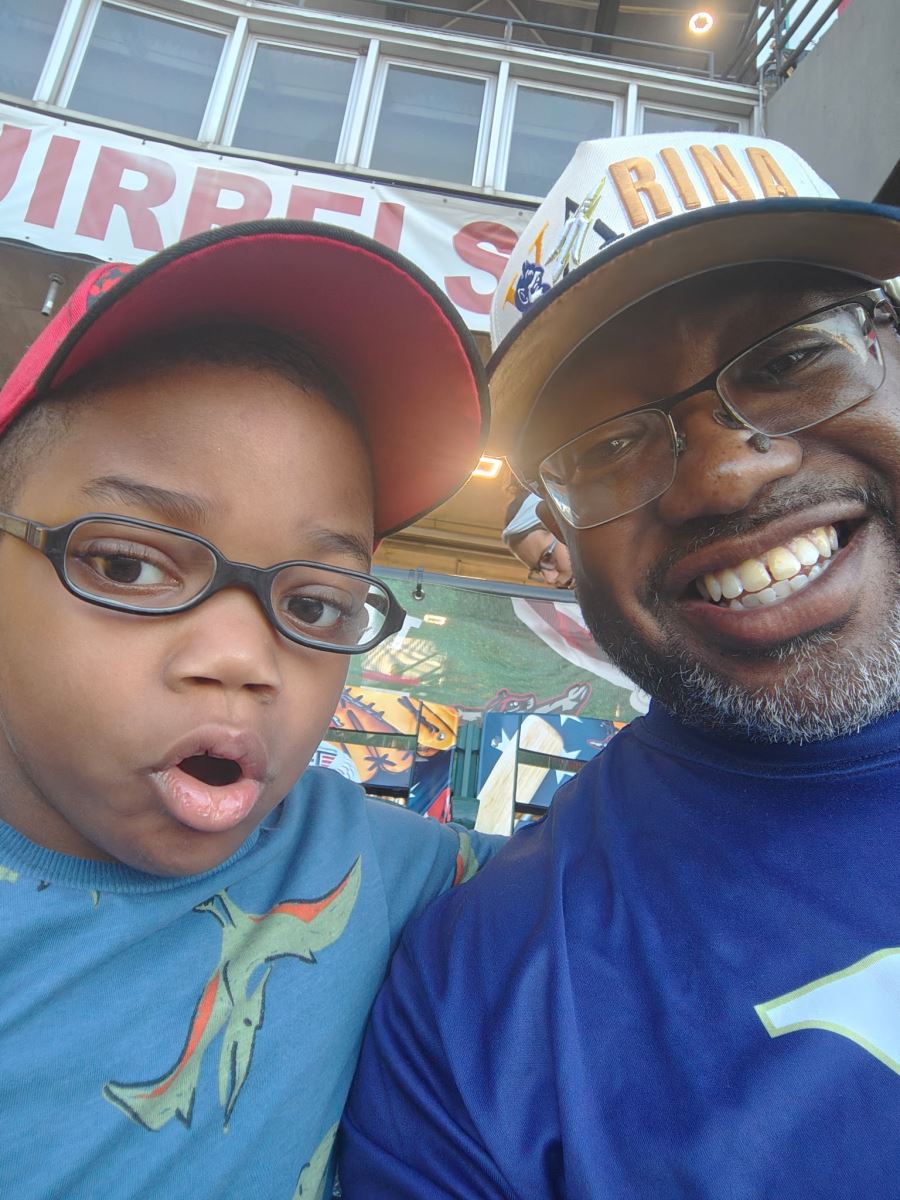
Neurosurgeon Dr. Gary Tye was recruited to place the device and more than a year later, Khaza is seizure-free, which Dr. Tye said is truly amazing. He is also quick to credit the team for Khaza’s huge milestone.
“While I was his surgeon,” explained Dr. Tye, “nurse practitioner Debra Hearington did the lion’s share of the work caring for Khaza, with the help of Michele Ellett on the neurosurgery side.”
Khaza calls the VNS “his robot” and understands that it treats his seizures and sometimes adjustments need to be made. The VNS adjustments change the intensity of the pulse using a handheld wand or magnet. When that happens, Hearington said Khaza patiently watches a video or keeps playing while his providers do what they need to do.
“This is what life is like for Khaza,” said Hearington. “For some it would be an uphill battle with setbacks along the way, but for Khaza it’s just the next hurdle for him to jump over. He's a rock star.”
The cause of Khaza’s seizures
Our neurology team was not only committed to treating Khaza’s seizures, but also finding out the cause. They enlisted the help of our genetics team, who discovered he was born with a genetic anomaly associated with epilepsy.
Because of that discovery, the surgery and the adjustment of the medication, Khaza’s life looks completely different now than it did a year ago, and his parents couldn’t be more thankful or proud of their little warrior.
“I’m so impressed by his unmatched drive to survive in life,” Adams-Lewis shared, “But also his ability to keep laughing and smiling despite life’s challenges.”
Learn about our Level 4 epilepsy monitoring unit.