
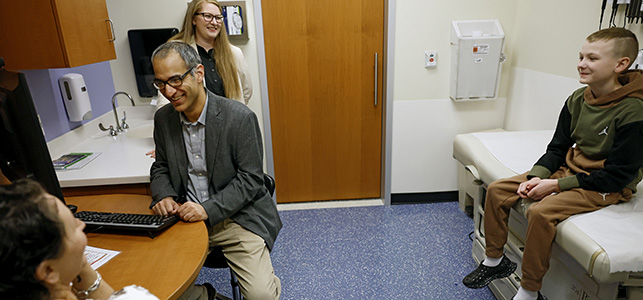
CHoR and VCU Health Hume-Lee Transplant Center are among the select centers offering total pancreatectomy with islet cell autotransplantation (TP-IAT) for children.
Keegan Bowles is looking forward to returning to the football field. The 10-year-old from Southwest Virginia hasn’t simply been sitting out this off-season though. His body has been enduring something much more monumental than training and touchdowns.
On February 24, 2026, Keegan underwent a rare and complex operation to alleviate debilitating abdominal pain associated with genetic chronic pancreatitis – just 2 months after his mom Amanda, who is also a recent breast cancer survivor, had the same procedure.
The surgery is called total pancreatectomy with islet cell autotransplantation, or TP-IAT.
Watch Keegan’s story
How total pancreatectomy with islet cell autotransplantation works
“It entails removing the entire diseased pancreas, along with the spleen, gallbladder, duodenum and part of the stomach (total pancreatectomy),” explained Dr. Aamir Khan, the surgeon for both Keegan’s and his mom’s procedures, and director of the adult and pediatric TP-IAT programs at VCU Health Hume-Lee Transplant Center. “Once all of that is done, the pancreas is handed over to the islet isolation team and while they’re extracting the islet cells from the pancreas, we’re working on reconstructing the bowel. We reconnect the bile duct with the bowel, we reconnect the stomach with the bowel and then connect those two bowel loops together.”
The pancreas produces digestive enzymes and insulin, which is instrumental in regulating blood sugar. Once the islet cells are isolated from the pancreas, they’re transplanted into the liver (the islet cell autotransplantation portion of the operation) where they can continue producing insulin to regulate blood sugar from the liver instead of the pancreas.
 Emerging research shows the earlier a patient can receive treatment, such as TP-IAT, for pancreatic disease the better their outcomes. That’s because earlier intervention increases the likelihood of retrieving high-quality islet cells from a healthier pancreas – one that has not yet experienced repeated inflammatory attacks or sustained extensive disease-related damage. But surgery of this magnitude isn’t considered lightly.
“Keegan has a genetic mutation that predisposes him to develop chronic pancreatitis. A lot of patients start with having acute attacks over and over, and then over time develop chronic pancreatitis,” said Dr. Flora Szabo, the gastroenterologist overseeing Keegan’s care. “Oftentimes they’ll have impaired quality of life from the recurrent attacks, missed school days and chronic pain, so the decision has to be made at what point is it right for them to undergo surgery.”
For Keegan, the time had come.
“It felt like a thousand little needles stabbing me in my stomach. My chest was tightening and it was getting hard for me to breathe,” Keegan said, describing his attacks.
Beyond the immense pain and interruption to daily life, chronic pancreatitis increases the risk of developing diabetes, pancreatic insufficiency that can affect nutrition and even pancreatic cancer in the long term – risks Keegan and his parents weren’t willing to take.
The collaboration required for the complex pediatric TP-IAT procedure
Once the decision was made to proceed with surgery, Lyndy Johnson, RN, Keegan’s transplant nurse coordinator, worked with the Bowles family on the logistical details just as she had with Amanda a couple months prior. She attended to every detail from pre-surgical medical evaluations to determining where they would stay while Keegan was in the hospital 4 hours from home. She also coordinated the teams that came together for Keegan’s unique procedure.
“It’s a very rare procedure. It’s only done in very few select centers in the country, and even fewer centers are able to offer this kind of treatment for kids,” said Dr. Khan.
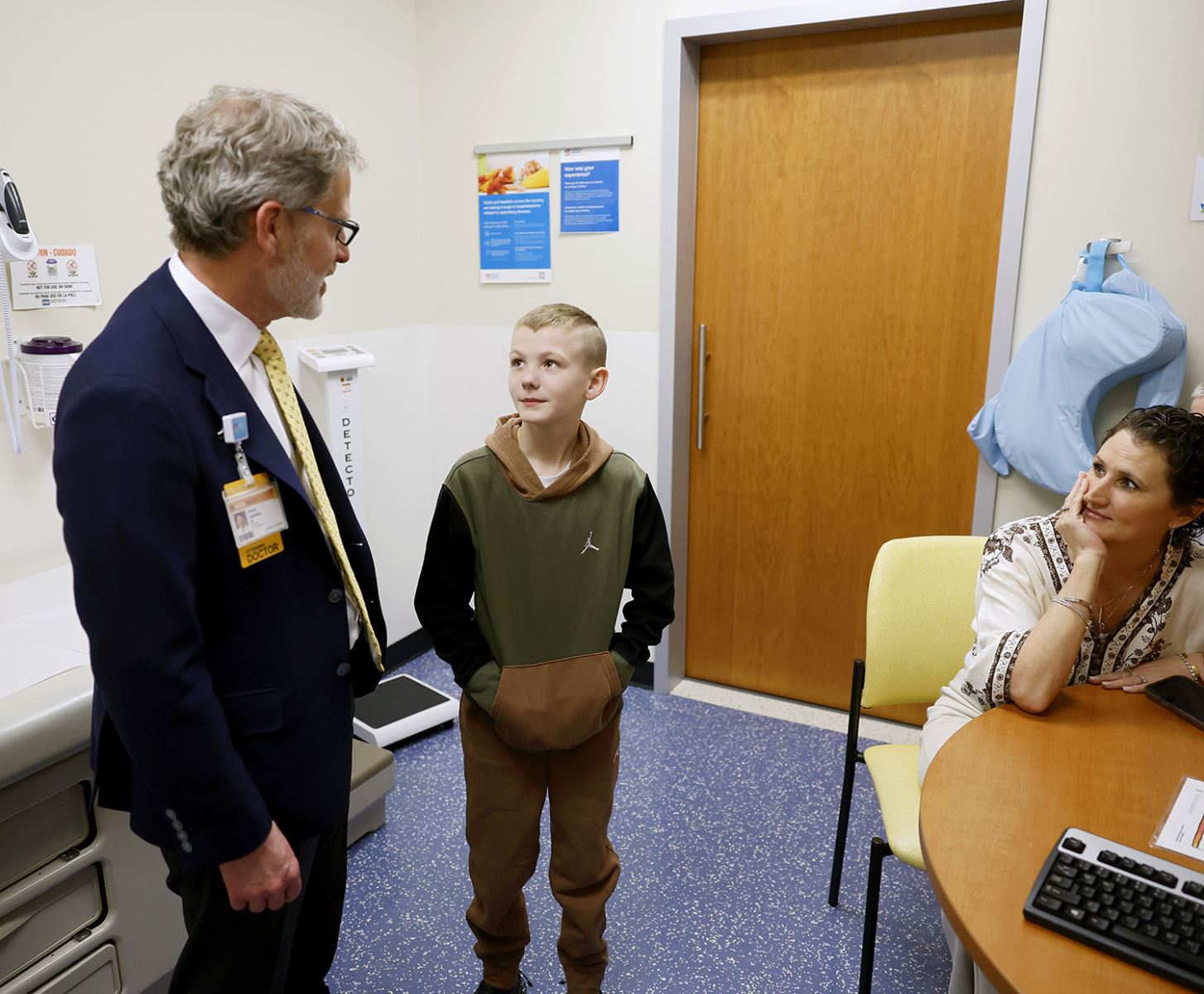 The operation takes about 12 hours. In Keegan’s case, Dr. Khan was joined by experienced pediatric surgeon Dr. David Lanning, bringing together the transplant and pediatric surgical expertise needed to facilitate a smooth, safe and successful procedure in the Children’s Tower. Anesthesiologist Dr. Beata Evans and our critical care teams were also integral, particularly considering the length of the operation, and follow-up care required after major surgery.
“We started having meetings well before the day of surgery to ensure there was seamless care between Dr. Khan’s team and our team here at the children’s hospital,” said Dr. Lanning. “All members of the team rose to the occasion – nursing, the providers, respiratory therapists, intensive care docs – everybody was fantastic. Once again, it shows that we’re prepared to care for children needing really complex care to do well and thrive.”
Drs. Szabo and Khan also collaborated with our endocrinology experts to control Keegan’s blood sugar after the procedure.
“Being able to offer TPIAT to both a mother and then her child is incredibly rare and deeply meaningful,” said Dr. David Bruno, director of Hume-Lee Transplant Center. “It speaks to the trust families place in us and to what’s possible when care is truly coordinated and centered on the patients. This case reflects the strength of the partnership between CHoR and Hume-Lee – and our shared commitment to delivering lifechanging care for families when they need it most.”
Keegan’s comprehensive care continues
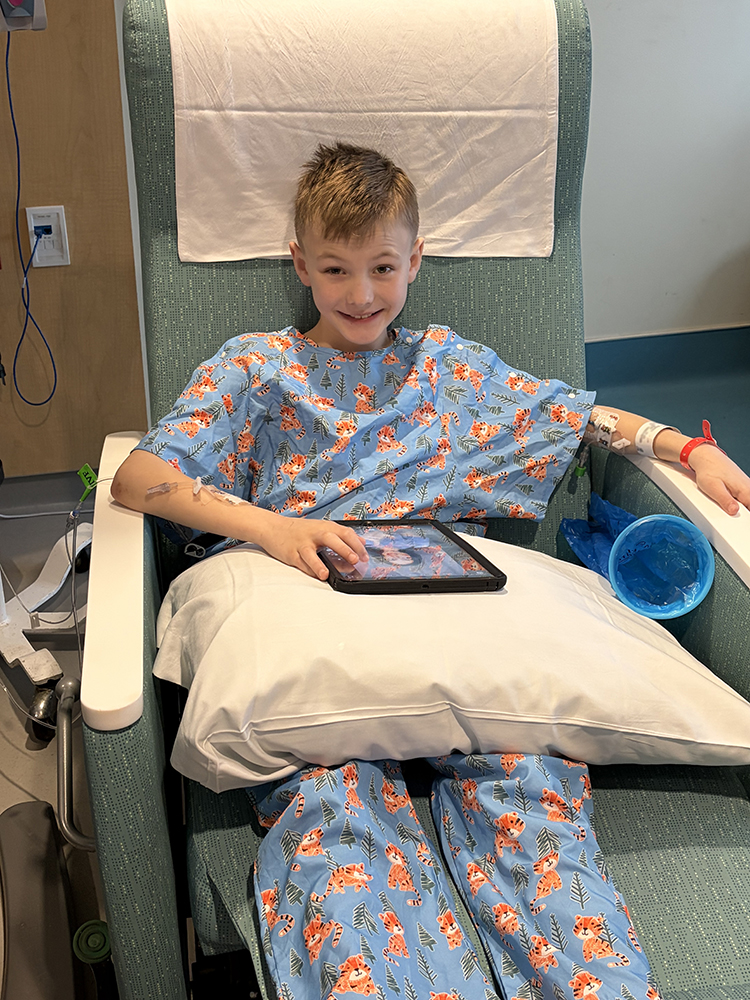
Keegan stayed in the Children’s Tower for 8 days, a tough task for a typically active athlete. Child life helped him pass the time making slime, while the clinical team tended to his medical needs.
Following discharge, he and his parents stayed in a nearby hotel for another month to accommodate the frequent follow-up appointments at our outpatient Children’s Pavilion. During these appointments, Drs. Khan, Lanning and Szabo kept an eye on his body’s response and recovery, while Lyndy guided Keegan and his parents through all the important things they would need to keep up with to ensure a steady recovery and long, healthy life.
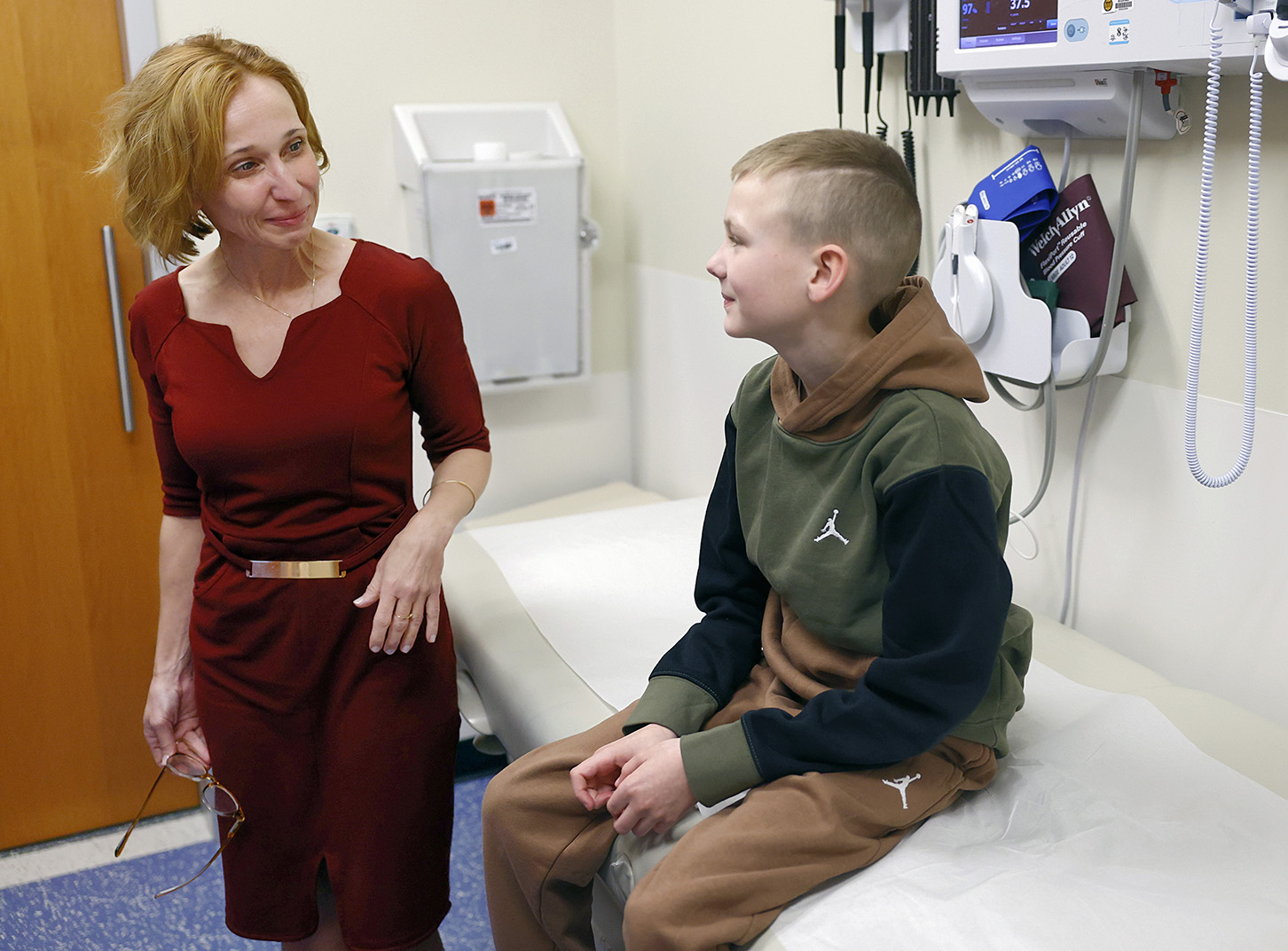 “The goal is that Keegan will be pain free and, because the pancreas was removed, he won’t have any more attacks so he won’t miss school or sports,” said Dr. Szabo. “He will have to take enzymes lifelong to help him digest his food because the pancreas is not there to help him do that anymore.”
The pain-free part has already come to fruition, while the rest seems to be falling into place too.
“He’s gaining weight nicely. It sounds like the islet cells are engrafted and are working and improving and that’s fantastic,” said Dr. Lanning.
Returning to life as a 10-year-old following transplant surgery
Keegan has come a long way in a short time.
“I was scared, but also glad because I knew after this I wouldn’t have any more attacks,” he said of facing his surgery, but he had a special role model to help him through it.
“It was a huge benefit to him because his mother had gone through it and is thriving and doing well so he knew he would get through this and that – just like her – these episodes of pancreatitis would be a thing of the past. It was very reassuring to him and I think brought him a lot of comfort,” Dr. Lanning added.
 When asked what he was most looking forward to about finally going home, Mom quickly chimed in.
“Getting on his Xbox – I can tell you that!”
His younger twin siblings just may let big brother have full access to the video games until he’s officially cleared for all his other favorite activities.
“He’s going to start getting back into things he likes to do – shooting basketballs and maybe this summer starting to play a little football, so back to the normal things that a 10-year-old does,” Dr. Lanning said.
The expectation is that Keegan will be able to do anything he wants very soon. He’ll continue to come for monthly appointments for the first year, then his team will see him annually – or more frequently as needed – for life.
As for what he’d say to them?
“Thank you for taking care of me.”