
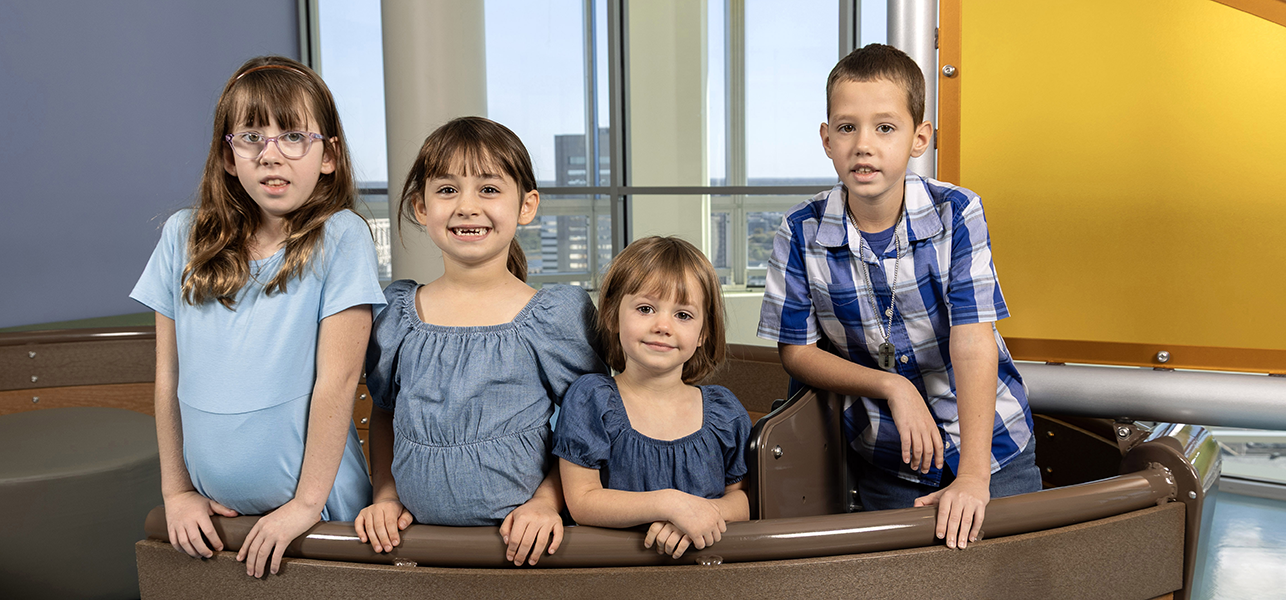
Evelyn (11), James (9), Abigail (7) and Elizabeth (4) have a lot of things in common: big imaginations, a love for swimming and complete adoration for each other. Two years ago, they learned that three of the four siblings also share a genetic disorder called myotonic dystrophy 1 (DM1). Despite the diagnosis, the foursome focuses on fun, pursuing their own unique interests and enjoying their childhood to the fullest.
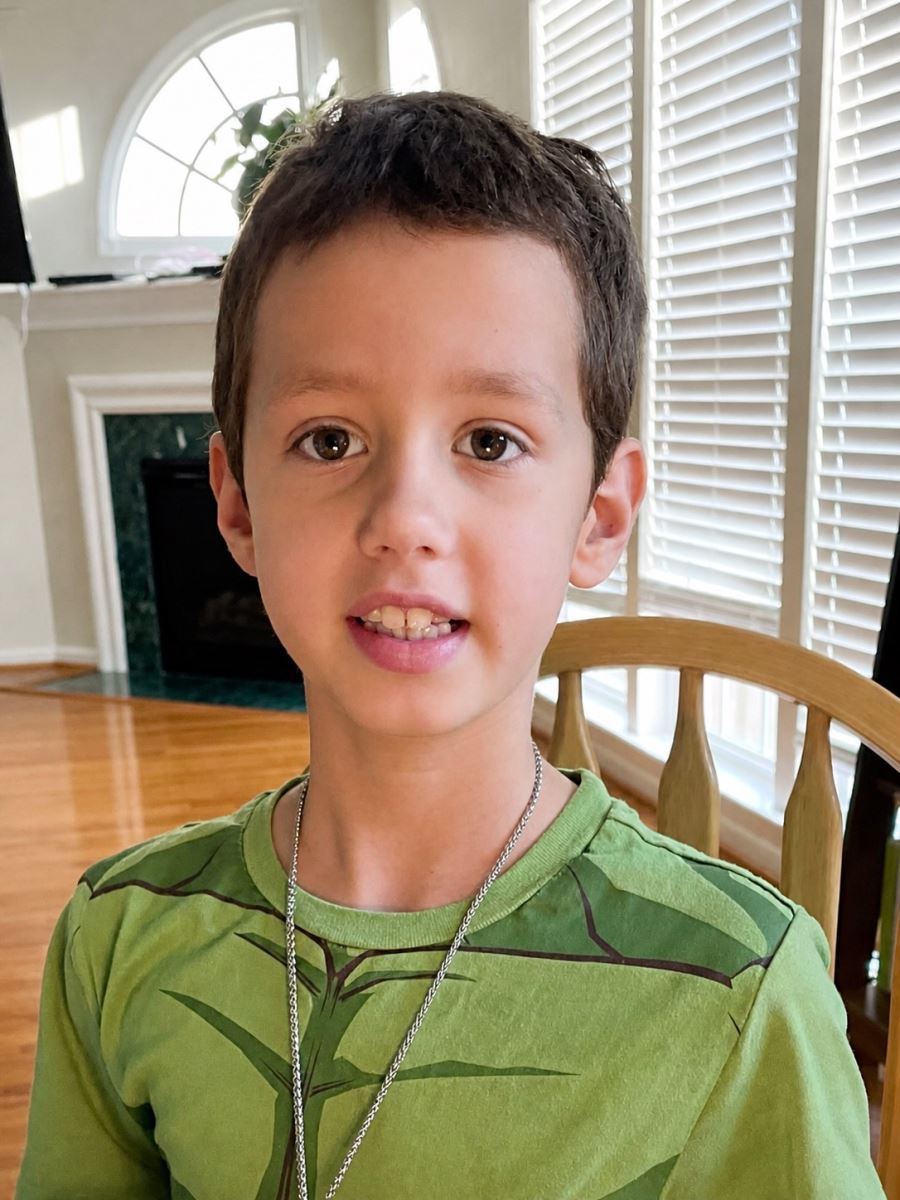
Before 2024, the siblings and their parents didn’t know what a condition called myotonic dystrophy 1 was, that was until a close relative received a diagnosis of the disorder. It’s a condition that can include prolonged muscular contractions known as myotonia, muscle and facial weakness, slurred speech and cataracts. Following that diagnosis, mom Annie said others in her family were experiencing similar symptoms and that prompted them to get tested. The result? Multiple members of her family, including three of her four children, were confirmed to be positive. That’s when they started seeing Dr. Nicholas Johnson, a neurologist in our neuromuscular program and vice chair of research here at CHoR, who has made a huge impact on the family’s life.
Managing myotonic dystrophy 1
There is currently no cure for myotonic dystrophy 1, which is the most common form of muscular dystrophy, but its symptoms can be managed. For this family, the disorder affects the day-to-day life of the three children with it, making it hard for them to concentrate, causing them to struggle with some fine motor skills and experience daytime sleepiness as well as some gastrointestinal problems.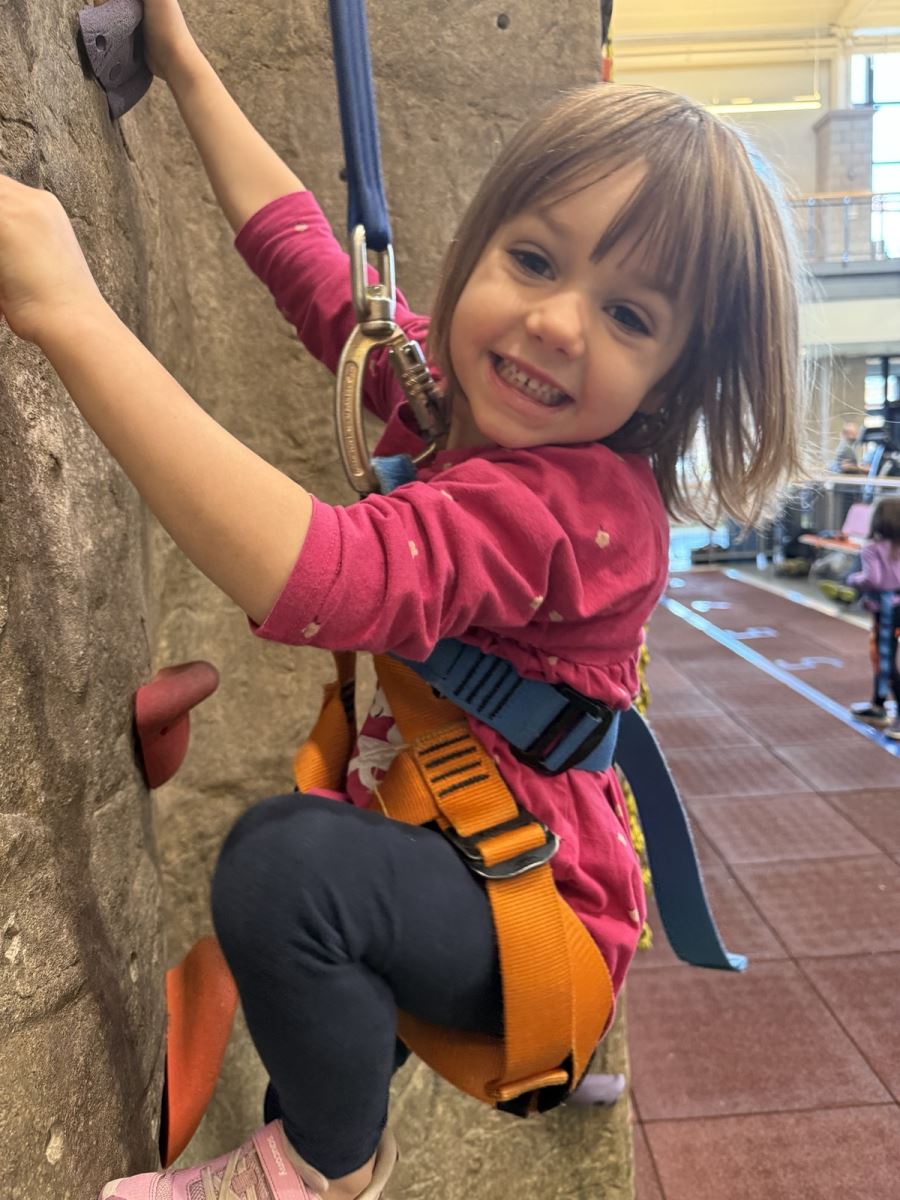
Medications, exercise and both physical and occupational therapy help ease those symptoms and Dr. Johnson says the parents’ involvement in their children’s care has just as much impact.
“Like many families who have children with chronic disabilities, the parents are dedicated to their children’s care and are quite committed,” explained Dr. Johnson. “Not only that, but the children are very friendly and engaged in their treatment.”
Because DM1 affects so many parts of the body, many specialists are needed to treat those with the disorder. Our MDA clinic and neuromuscular program makes it possible to combine the appointments with all those providers at one time.
“Their care is thoughtfully coordinated into a single clinic visit, during which we are able to see all of the children’s specialists in one place,” shared dad Jeff.
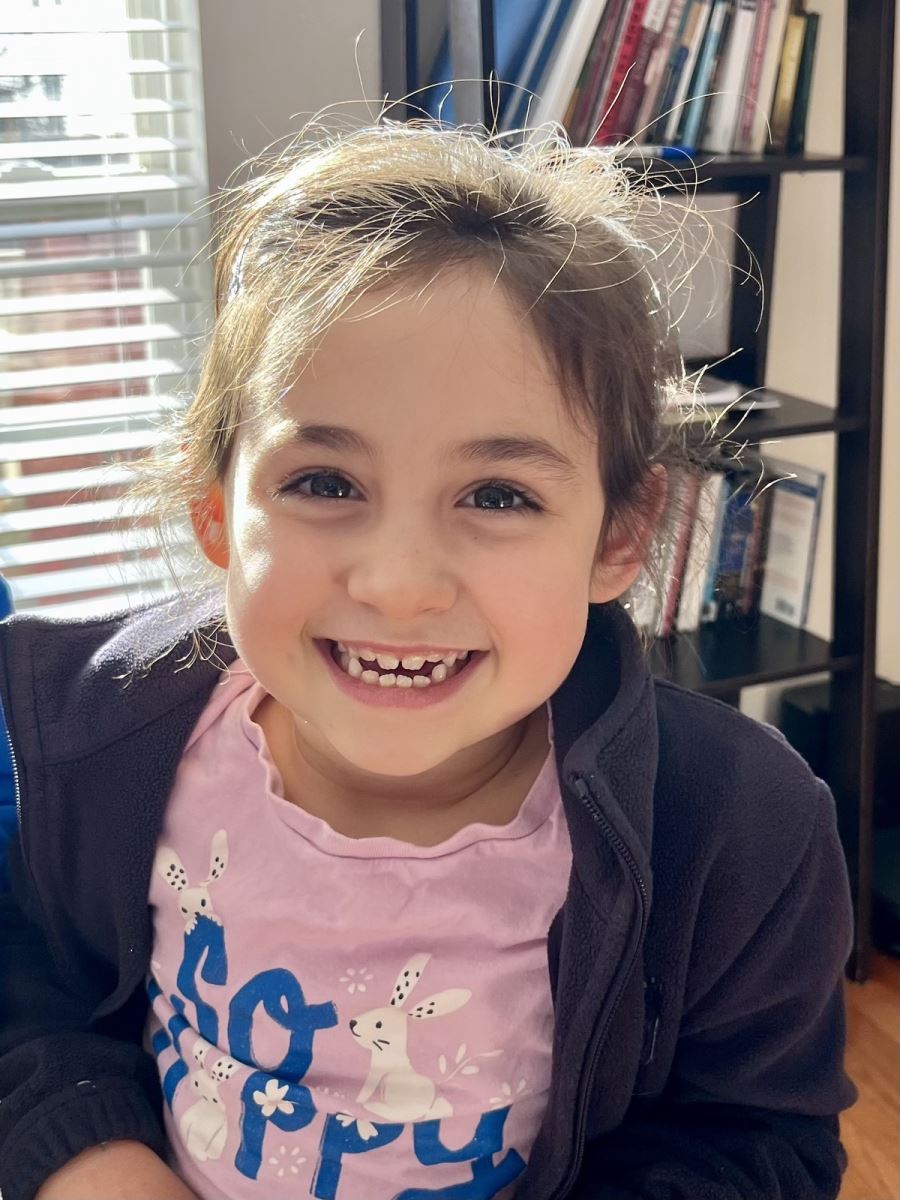
“Frankly, the family could spend all their time seeing different doctors and therapists. We aim to make it happen all at once, so they can see the neurologist, psychiatrist, cardiologist, orthopedist as well as the multiple therapists and other specialists,” explained Dr. Johnson. “While this appointment often takes several hours, it allows us to accommodate the entire family as well as all the providers they need to see. We could not do this clinic without the support of the hospital leadership as well as Children’s Hospital Foundation.”
Leading the way with innovative research into myotonic dystrophy
Dr. Johnson and CHoR are providing unprecedented hope for people with neuromuscular disorders like DM1. Dr. Johnson is a recent recipient of a grant to establish a Wellstone Muscular Dystrophy Specialized Research Center alongside Andy Berglund, director of UAlbany’s RNA Institute.
The grant will allow Dr. Johnson and VCU’s Dr. Sam Carrell to develop clinical and biomarker outcomes to prepare the most affected population, children with myotonic dystrophy, like Evelyn, James and Elizabeth, for upcoming clinical trials.
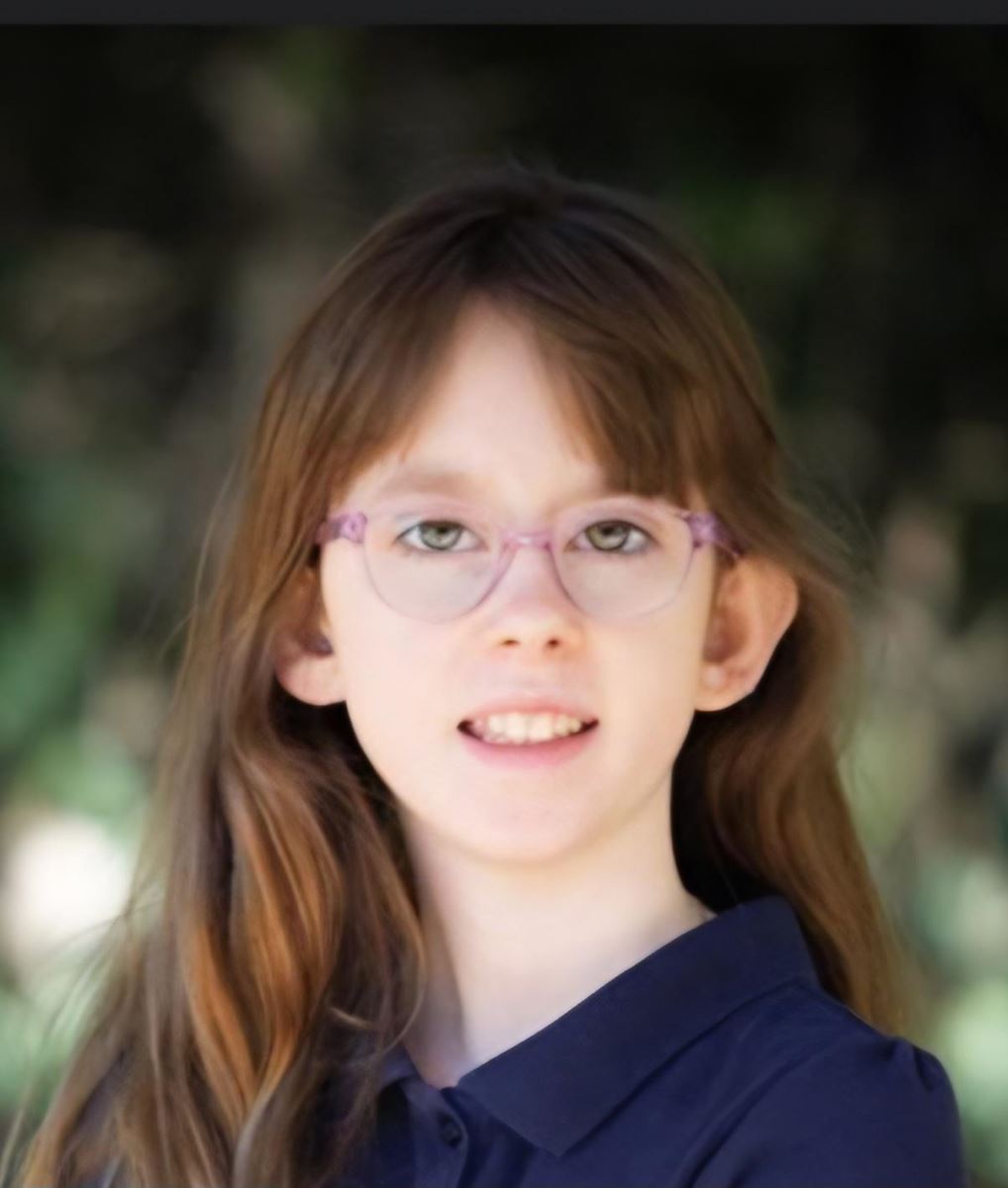
“Dr. Johnson’s depth of knowledge about myotonic dystrophy is remarkable,” said mom Annie. “We deeply appreciate his dedication to advancing research and working toward a cure. What makes him special to us is not only his expertise, but also his commitment to improving the lives of families like ours.” The children’s dad, Jeff, agrees. He also adds, "It really is hard to not mention each name of all of the rest of the talented and dedicated care team that take part in our round-robin visits at VCU--they are all such wonderful people."
Because of that care, Annie and Jeff can focus on what’s most important-- cherishing their little ones.
“As all young families, we are enjoying the natural milestones and moments that come with childhood,” shared Annie.